Explore expert art classes for kids and adults to build drawing, painting, creativity, and artistic confidence.
Find Your Creative Spark: The Ultimate Guide to Art Tuition & Classes
Art is far more than just a passing hobby—it’s a powerful creative journey that sharpens focus, unlocks imagination, and builds self-expression. Whether you are a complete beginner picking up a brush for the first time, a parent seeking structured art tuition for your child, or a working professional looking for a creative escape, the right art academy can completely transform your skills.
In this comprehensive guide, we will break down essential art principles every student should know, explore the benefits of structured tuition, and help you find the perfect program for your goals.
Two Core Concepts Taught in Modern Art Tuition
Before diving into a class, professional art tutors often introduce these foundational pillars to help students understand composition and the scope of the art world.
1. The 70/30 Rule in Art
The 70/30 rule is a timeless design principle used to create visually balanced, harmonious artwork. It suggests dividing your canvas or composition into:
- 70% Dominant Element: The primary subject, dominant color palette, or major design feature that anchors the piece.
- 30% Contrasting Element: Supporting details, secondary textures, complementary colors, or accents that add flavor and visual interest.
Why it matters: This rule prevents artwork from looking chaotic or boring. By establishing a clear visual hierarchy, you naturally guide the viewer's eye exactly where it needs to go. It is widely used in painting, graphic design, illustration, and photography.
2. The Traditional Seven Fine Arts
While modern tuition covers digital media, a classical art education introduces students to the traditional seven fine arts:
- Painting (The foundation of color and composition)
- Sculpture (Form, depth, and three-dimensional space)
- Architecture (The intersection of structural design and art)
- Literature (Storytelling through written language)
- Music (Auditory expression and rhythm)
- Dance (Physical movement and spatial awareness)
- Theatre (The culmination of performing arts)
- Find Your Creative Spark: The Ultimate Guide to Art Tuition & Classes — Art is far more than just a passing hobby—it’s a powerful creative journey that sharpens focus, unlocks imagination, and builds self-expression.
- Two Core Concepts Taught in Modern Art Tuition — Before diving into a class, professional art tutors often introduce these foundational pillars to help students understand composition and the scope of the art world.
- The Value of Structured Art Tuition — While self-teaching through videos is popular, enrolling in dedicated art tuition provides benefits that a screen simply cannot match:
- Art Tuition Programs Categorized by Age & Goal — Starting your artistic journey requires no previous experience.
The Value of Structured Art Tuition
While self-teaching through videos is popular, enrolling in dedicated art tuition provides benefits that a screen simply cannot match:
- Accelerated Learning: Skip the trial-and-error phase with a clear, step-by-step curriculum.
- Real-Time Feedback: Experienced instructors correct your grip, perspective, and color mixing on the spot.
- Confidence Building: Sharing your work in a supportive studio environment helps build confidence and creative expression.
- Portfolio & Competition Preparation: Personalized guidance for students preparing for design entrance exams, portfolios, or exhibitions.
Art Tuition Programs Categorized by Age & Goal
For Complete Beginners
Starting your artistic journey requires no previous experience. Beginner-friendly art tuition typically covers:
- Basic line drawing and pencil shading
- Perspective drawing fundamentals
- Color theory and color mixing
- Introduction to watercolor, acrylic, and charcoal techniques
For Adults & Professionals
Busy professionals can enjoy flexible art programs designed for creativity and relaxation.
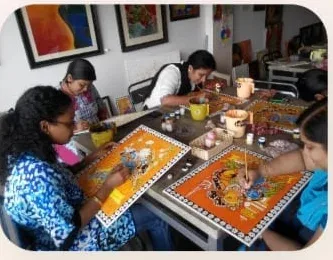
- Short-term sketching and painting workshops
- Portrait drawing and charcoal classes
- Mandala and mixed-media art sessions
- Weekend and evening batches
For Kids & Young Learners
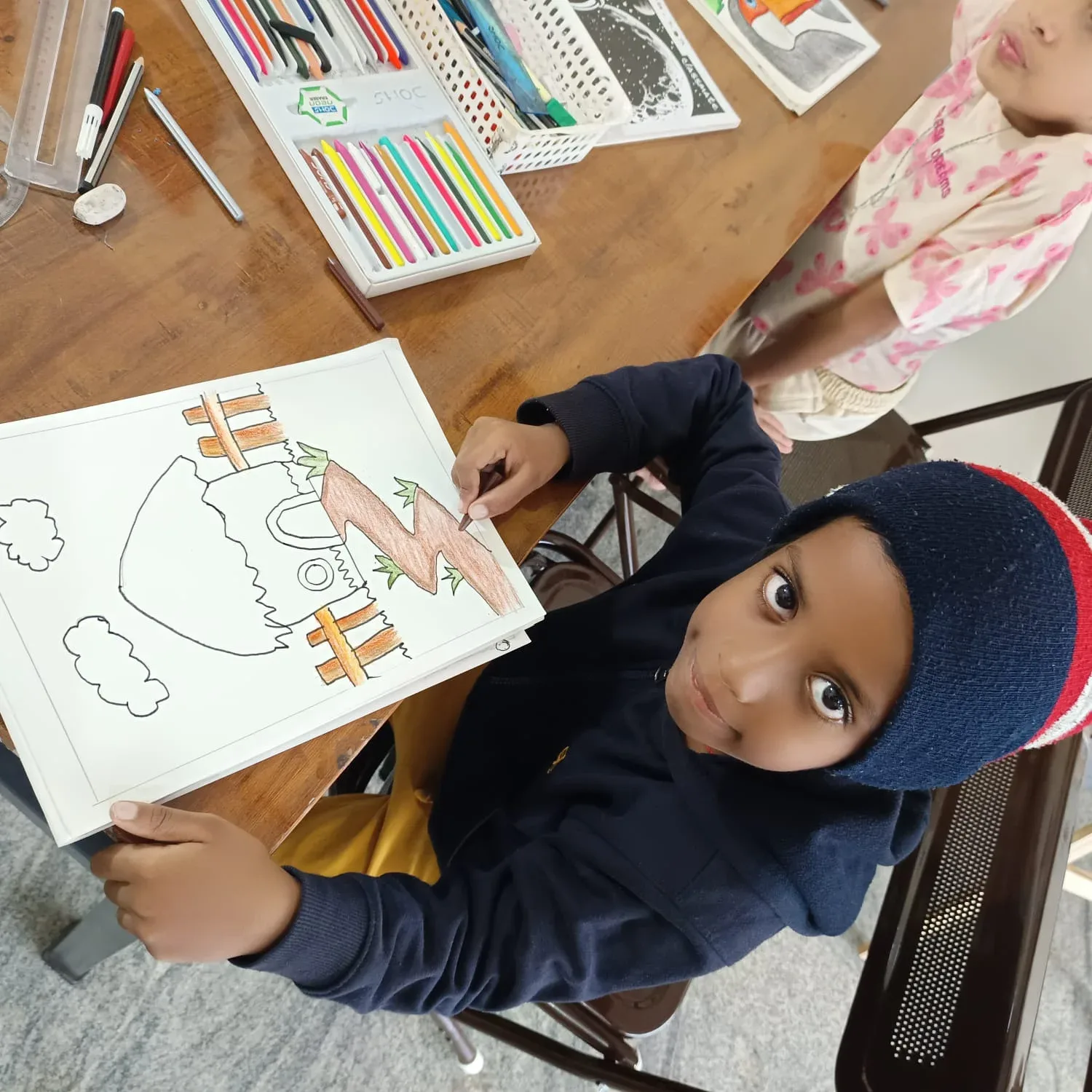
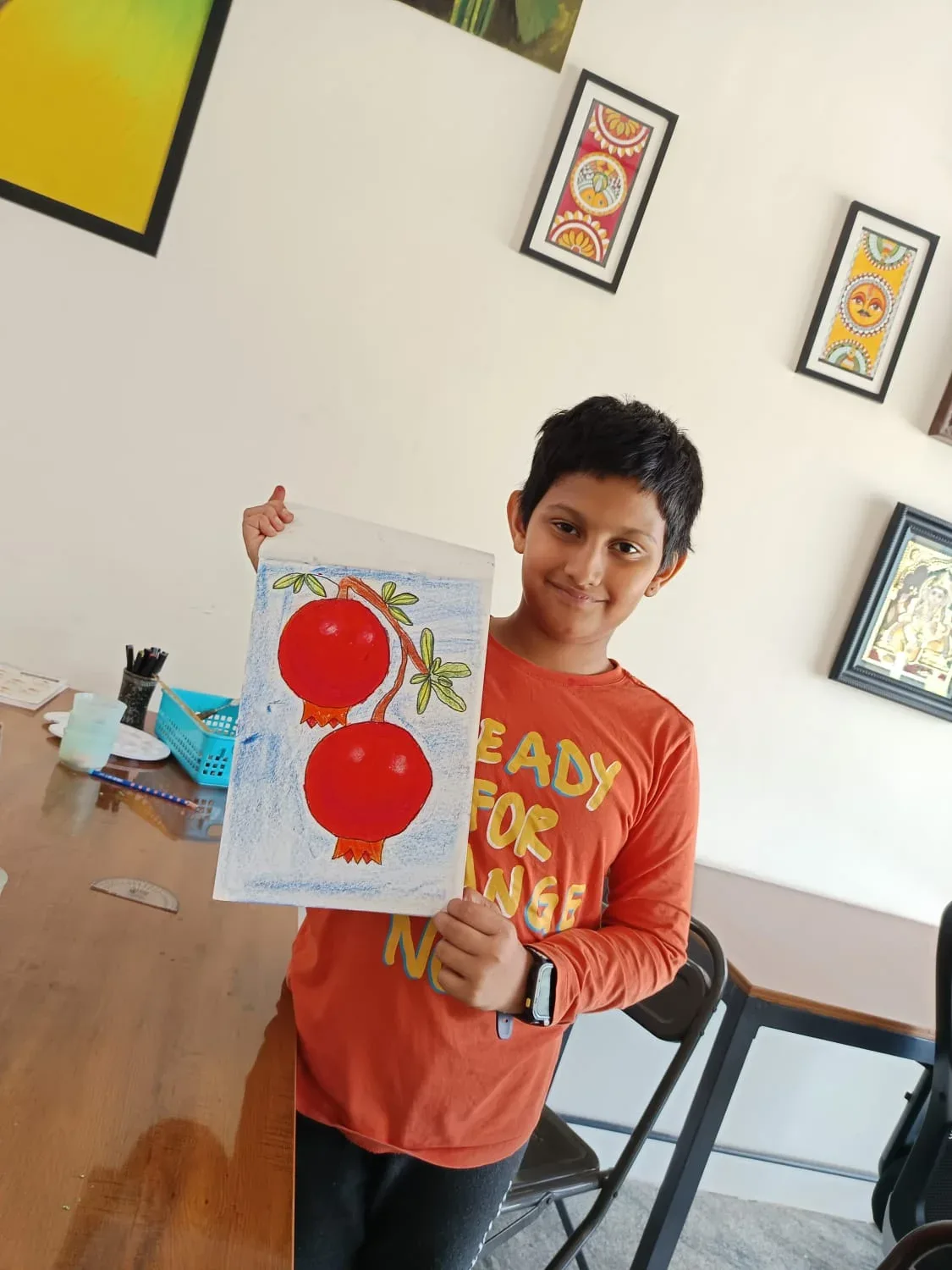
Children develop creativity, concentration, and fine motor skills through structured art education.
- Age-appropriate learning activities
- Drawing, coloring, painting, and clay modeling
- Small class sizes for personalized attention
- Safe, creative, and engaging learning environments
In-Person vs. Online Art Tuition: Which Is Right for You?
| Feature | Physical Art Studio | Online Art Tuition |
|---|---|---|
| Environment | Creative studio atmosphere with hands-on materials | Learn comfortably from home with no travel required |
| Instructor Interaction | Direct demonstrations and hands-on guidance | Live virtual feedback and screen sharing |
| Scheduling | Fixed weekly classes | Flexible schedules with recorded sessions available |
| Best For | Children, beginners, and hands-on learners | Working professionals, remote learners, and digital artists |