India’s folk art reflects its regions, traditions and everyday life. Here are 10 folk art forms and the stories, styles and techniques behind them.
10 Indian Folk Art Forms You Should Know
Traditional Styles, Stories & Techniques
India has a rich artistic heritage shaped by different regions, communities, traditions, and everyday life. Long before modern art materials became common, people used natural colours, handmade tools, walls, floors, cloth, wood, and other local materials to express stories, beliefs, and cultural traditions.
These regional traditions are broadly known as Indian folk art forms. Each style has its own visual language, patterns, subjects, colours, and cultural background that reflect the history and lifestyle of the communities where they developed.
What Is Indian Folk Art?
Indian folk art refers to traditional forms of visual expression developed within local communities and passed from one generation to another. These art forms are not only decorative but also preserve stories, beliefs, and traditions that have been carried forward for generations.
10 Indian Folk Art Forms You Should Know
BIHAR
1. Madhubani ArtMadhubani, also known as Mithila painting, originated in the Mithila region of Bihar. Traditionally, it was created on walls and floors, especially during festivals, weddings, and special occasions. The style is known for its bold outlines, filled patterns, decorative borders, and vibrant colours.
|  |
 |
MAHARASHTRA
2. Warli ArtWarli painting comes from the Warli tribal communities of Maharashtra. It is recognised for its simple geometric representation of people, animals, trees, houses, and community activities. Human figures are commonly created using two connected triangles, giving Warli its instantly recognisable appearance.
|
CENTRAL INDIA
3. Gond ArtGond art developed among the Gond communities of central India. It is known for intricate patterns and rhythmic lines used to create larger forms. Instead of realistic shading, artists decorate shapes with dots, lines, curves, and repeated patterns.
|  |
 |
ANDHRA PRADESH & TELANGANA
4. KalamkariKalamkari refers to the use of a pen-like tool to create detailed designs. Traditionally connected with textile decoration and storytelling, artists create mythological scenes, floral designs, trees, animals, and decorative compositions on fabric.
|
KUTCH, GUJARAT
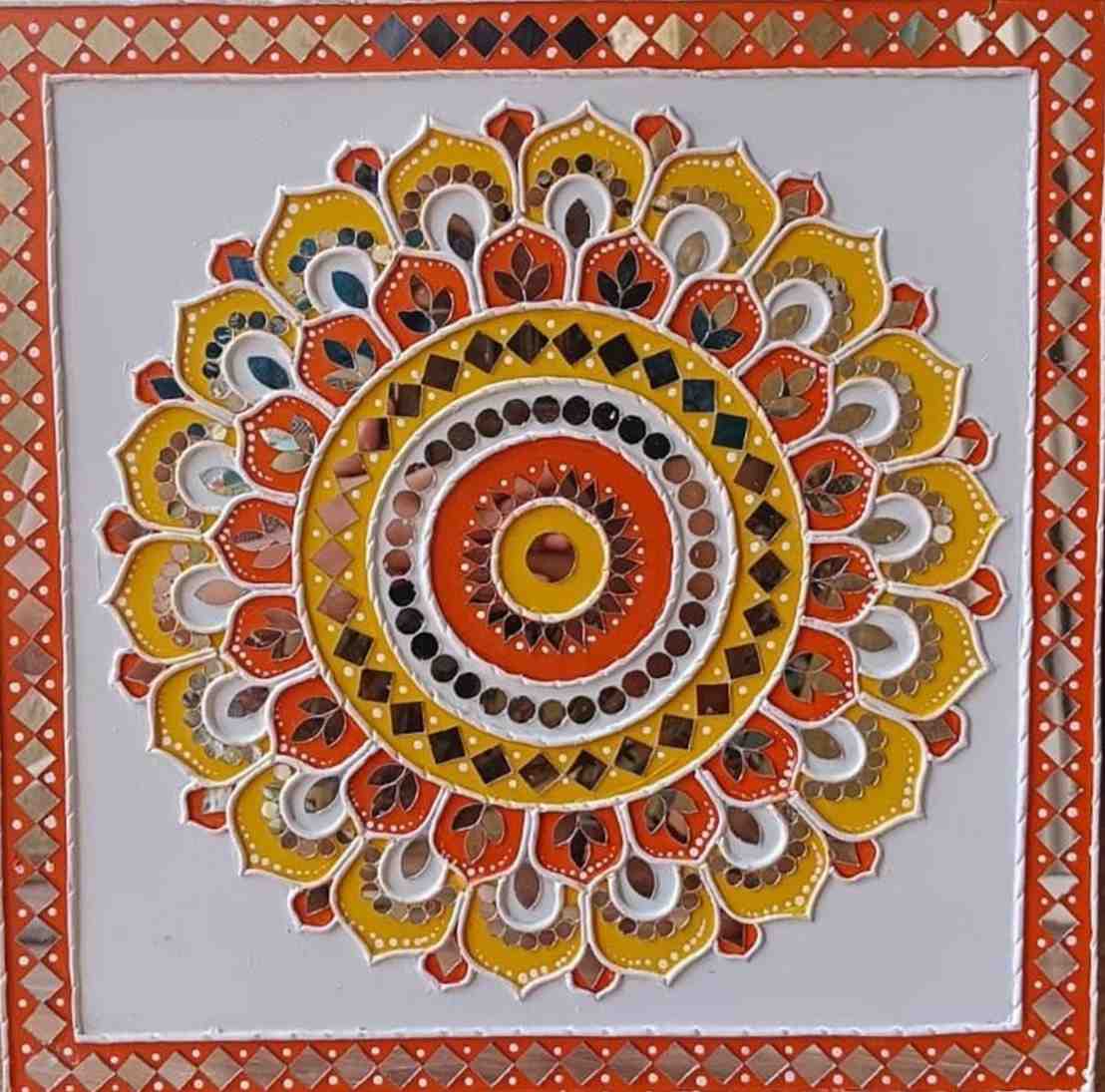
5. Lippan ArtLippan art is a traditional mud-and-mirror art associated with the Kutch region of Gujarat. Artists combined raised mud designs with small mirrors arranged in geometric and floral patterns on walls and interiors.
|  |
 |
KERALA
Key takeaways
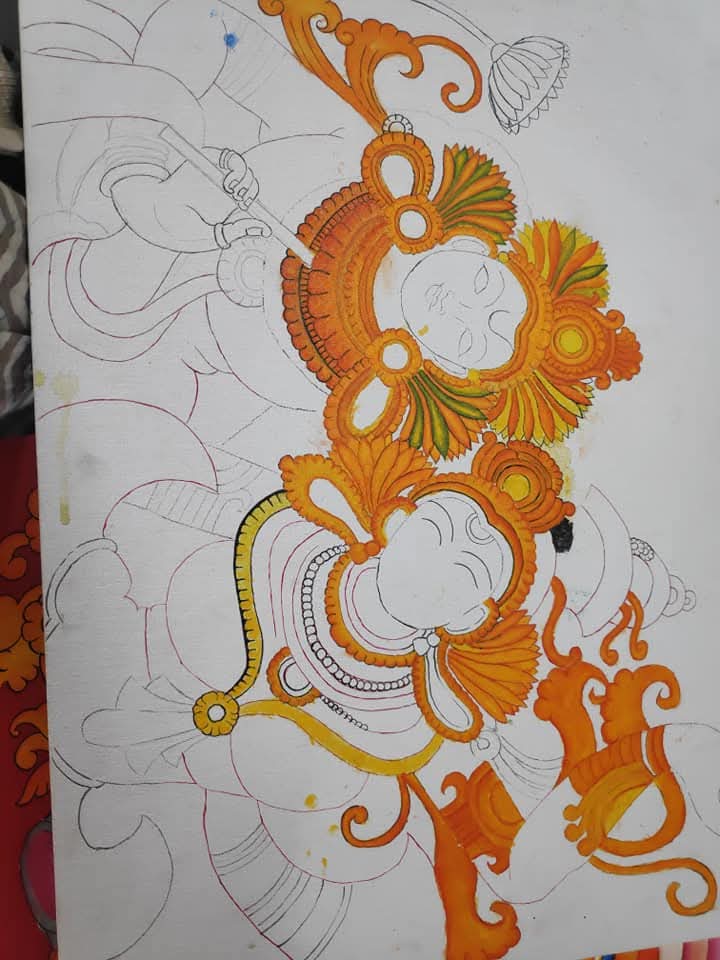
6. Kerala Mural PaintingKerala mural painting is known for its elaborate figures, expressive faces, decorative details, and connection with Hindu mythology. Traditional murals can be found in temples and historic spaces across Kerala, featuring deities and ornamental elements.
|
TAMIL NADU
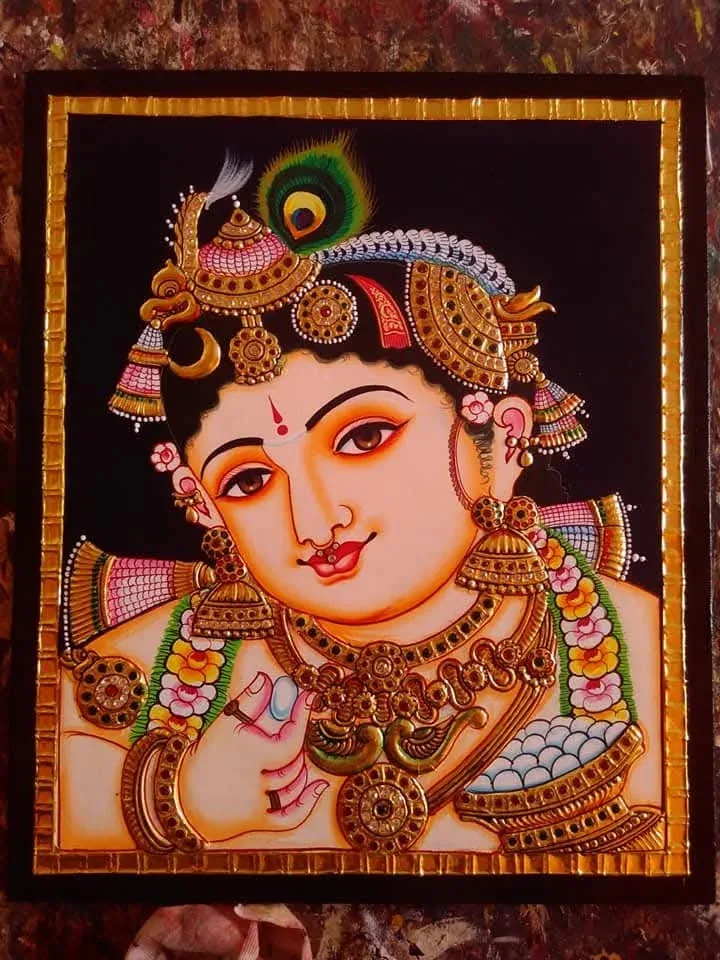
7. Tanjore PaintingTanjore painting, also known as Thanjavur painting, is famous for its rich ornamental appearance. Works often depict Hindu deities and include raised details, decorative elements, and gold foil work that gives a luminous, royal appearance.
|  |
 |
ODISHA & WEST BENGAL
8. PattachitraPattachitra is associated mainly with Odisha and parts of West Bengal, named for painting on cloth. It is known for detailed compositions, strong outlines, decorative borders, and subjects inspired by mythology and religious traditions.
|
RAJASTHAN
9. Phad PaintingPhad is a traditional scroll painting tradition from Rajasthan, historically used to visually narrate stories connected with local heroes and religious traditions. A single composition can contain multiple figures and events across the surface.
|  |
 |
ODISHA
10. Saura ArtSaura painting is associated with the Saura tribal communities of Odisha and has traditionally been connected with ritual and spiritual practices. Human figures, animals, trees, and daily activities are arranged within decorative, rhythmic compositions.
|
Indian Folk Art Forms at a Glance
| Art Form | Region | Common Subjects | Distinctive Feature |
|---|---|---|---|
| Madhubani | Bihar | Nature, mythology, deities | Dense patterns and outlines |
| Warli | Maharashtra | Village life, nature | Geometric human figures |
| Gond | Central India | Animals, birds, trees | Pattern-filled forms |
| Kalamkari | Andhra Pradesh & Telangana | Mythology, nature | Detailed textile artwork |
| Lippan | Gujarat | Geometric and floral motifs | Mud and mirror work |
| Kerala Mural | Kerala | Deities, mythology | Expressive figures and rich details |
| Tanjore | Tamil Nadu | Deities | Gold foil and raised decoration |
| Pattachitra | Odisha, West Bengal | Mythology, religious themes | Detailed cloth painting |
| Phad | Rajasthan | Stories and heroes | Scroll-based storytelling |
| Saura | Odisha | Nature, people, rituals | Repeated symbolic figures |
Why Are Indian Folk Art Forms Important?
Indian folk art forms are more than decorative paintings. They represent the history, traditions, beliefs, and lifestyles of different communities across India, helping preserve traditional knowledge while inspiring modern artists and learners.
Conclusion
Indian folk art reflects the incredible diversity of India's artistic heritage. Each traditional style carries centuries of stories, techniques, and cultural expressions passed from one generation to another.
At Varnaalaya Arts, traditional Indian art forms can be explored through structured learning and practice, helping students develop artistic skills while appreciating India's diverse cultural heritage.
Phad and Saura illustrations are original stylised graphics; other images are user-provided reference photos.